



Why Unused Vehicles Often Need Repairs
Three months. That’s how long one vehicle sat in a driveway. The tires looked fine from a distance, but the battery was dead, the brakes had rusted over, and it wouldn’t move under its own power. A classic situation, that often ends with a Homewood towing call to our tow truck team, after a vehicle has been parked longer than expected.
Some assume that if a car isn’t being driven, nothing can go wrong. But in reality, a parked vehicle continues to age every day. Parts dry out. Batteries lose charge. Weather keeps working against it, especially during long stretches of either heat, rain, or cold.
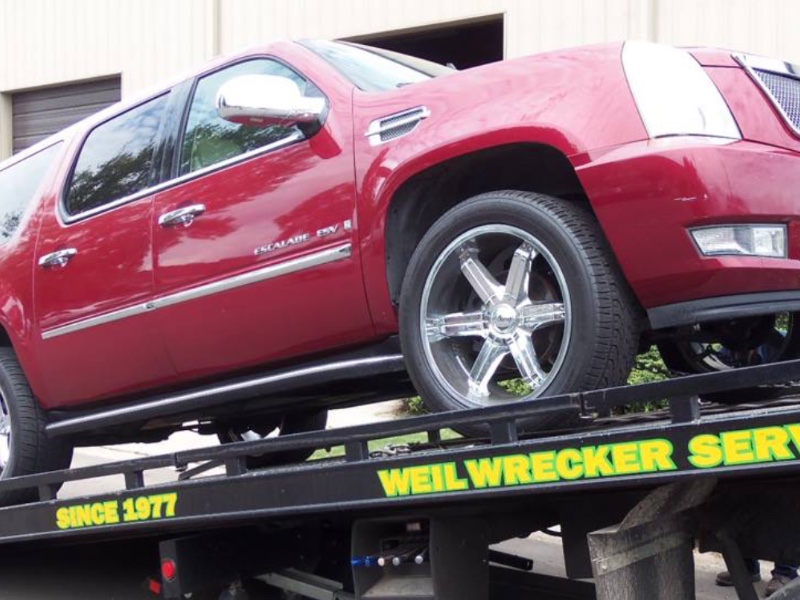
Batteries and Tires Usually Show Problems First
One of the first things we notice during a Homewood towing call involving a stored vehicle is a dead battery. Modern vehicles draw small amounts of power even when turned off. Over several weeks or months, that drain adds up.
The next issue is often the tires. A parked car can develop flat spots where the weight rests on the same section of rubber. Vehicles parked for an entire season that felt like they had square wheels for the first few miles.
Moisture Creates Trouble
Brake rotors collect surface rust surprisingly fast.
Most of the time the rust wears away after driving. If the vehicle sits long enough, brake components can stick together and prevent the wheels from turning normally.
Fuel and Fluids Don’t Like Sitting Around
Gasoline slowly breaks down when it sits in the tank. After several months, starting problems become more common. We have seen vehicles crank repeatedly without firing because old fuel was no longer doing its job.
Engine oil, coolant, and other fluids can also collect moisture over time. Seals and gaskets may dry out when they are not regularly exposed to circulation. During some Homewood towing calls, it’s likely that leaks are discovered only after the vehicle is moved for the first time in months.
Small Leaks Become Bigger Ones
A tiny seep can go unnoticed while a vehicle stays parked.
Once the engine starts running again, pressure builds and that minor leak may become much easier to spot. What looked like a simple battery issue can quickly turn into a repair appointment.
Unwanted Guests Sometimes Move In
One thing people rarely think about is rodents. Vehicles that sit in garages, storage lots, or backyards can become attractive shelter for mice and other animals.
We have found nests under hoods, inside air filter boxes, and around engine compartments. During Homewood towing jobs, damaged wiring occasionally turns out to be the reason a vehicle refuses to start after a long break.
Some common signs of rodent activity include:
- Chewed wires
- Strange smells inside the cabin
- Nesting materials under the hood
- Warning lights that appear unexpectedly
- Visible droppings near the vehicle
How Long Is Too Long?
There is no exact number that applies to every vehicle. A newer vehicle with a healthy battery may sit for a month without issues. Six months or longer increases the chances that something will need attention.
Many Homewood towing calls happen after owners return from extended travel, military deployment, college semesters, or seasonal storage. They expect the vehicle to start right up and discover otherwise.
Prevention Is Usually Simple
Driving the vehicle occasionally helps circulate fluids and recharge the battery.
Keeping tires inflated and using a battery maintainer can prevent several of the most common storage-related problems.
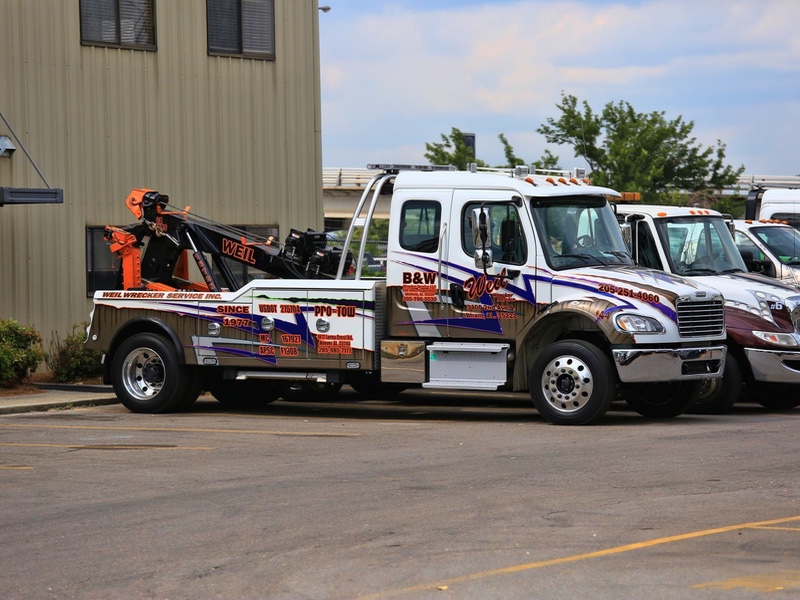
Weil Wrecker Keeps Homewood Towing Practical When Cars Sit Too Long
Since 1977, Weil Wrecker has helped drivers throughout Alabama deal with vehicle problems of every kind, including situations involving long-term storage. Our team has grown from a small outfit with a handful of trucks into a sizeable towing and recovery operation.
We handle Homewood towing calls involving dead batteries, seized brakes, flat tires, and vehicles that simply refuse to start after sitting for months. Our team members undergo extensive industry training, and have decades of hands-on experience. we have seen firsthand how quickly parked vehicles can develop problems. But none we can’t help you solve.
FAQs
How often should a stored vehicle be driven?
A short drive every few weeks helps keep the battery charged and fluids circulating. Letting it sit for months without movement can create several mechanical issues.
Can humidity damage a parked vehicle?
Yes. Moisture can lead to rust on brake components, electrical connections, and exposed metal surfaces. Humid conditions can also encourage mold inside the cabin.
Do rodents really get into parked cars?
They can. Mice and other small animals sometimes build nests under the hood and chew wiring, insulation, and hoses.
What fluids should be checked before driving a vehicle that has been sitting?
Check engine oil, coolant, brake fluid, transmission fluid, and windshield washer fluid. Low levels or leaks may indicate a problem that developed during storage.
Is indoor storage always better than outdoor storage?
Indoor storage offers protection from weather, sunlight, and falling debris. It can help slow down wear, though regular maintenance is still important.
Can a parked vehicle develop brake problems even if nothing is broken?
Yes. Brake rotors can rust and brake components can stick when they are not used regularly. The longer the vehicle sits, the greater the chance of issues.