



Taking a Turn for the Worse
Our tow truck operators see a lot of different accident scenarios on the road. No scene is like the other. And we spend a lot of time thinking about how a calm stretch of highway can turn tense in seconds. Long miles and steady speeds can lull drivers into a rhythm that feels predictable. That predictability can slip quickly, and that’s often where trouble begins with many I-20 semi towing situations.
Rollovers don’t come from one single mistake. They build from a mix of speed, load balance, and road conditions. A slight curve taken too fast or a sudden steering correction can shift weight in ways that a tall, heavy truck cannot recover from in time.
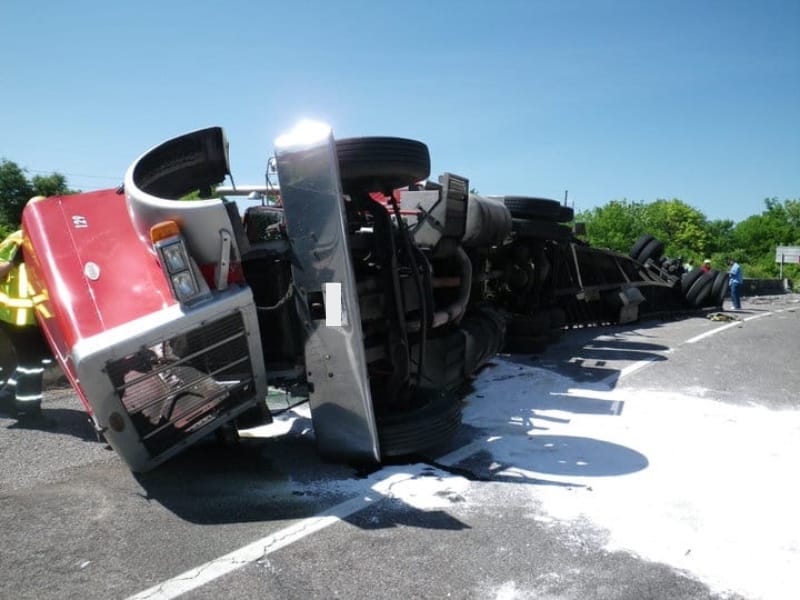
Speed and Curve Misjudgment
We see it often calls. A curve looks gentle, but at highway speed, that curve demands more control than expected. The higher center of gravity in a semi amplifies that force.
Even a small overcorrection can tip the balance. Once the trailer starts to lean, gravity takes over quickly. Drivers rarely get a second chance to fix it.
Load Shifts and Improper Distribution
Cargo plays a major role in rollover risk. If weight is uneven or not secured tightly, it can shift during turns or sudden stops. That shift pulls the trailer off balance.
We’ve handled many recoveries where the load moved just enough to trigger a rollover. It doesn’t take much when thousands of pounds are in motion.
Road and Weather Conditions
Rain, wind, and uneven pavement all add stress to a drive. Wet roads reduce tire grip, while strong crosswinds push against large trailer surfaces.
These factors combine quickly. During our responses, we often trace incidents back to conditions that seemed manageable at first glance but built up over miles.
Practical Ways to Reduce Rollover Risk
We always come back to preparation and awareness. Preventing rollovers starts long before a driver reaches a risky stretch of road.
Here are a few habits we encourage:
- Reduce speed before entering curves
- Check load balance before departure
- Stay alert to wind advisories
- Avoid sudden steering movements
- Keep a safe following distance
Each of these steps lowers the chances of needing I-20 semi towing assistance later. Small adjustments add up over long hauls.
Staying Ahead of Fatigue
Long hours behind the wheel can dull reaction time. Fatigue makes it harder to judge speed and distance accurately.
We’ve seen I-20 semi towing cases where delayed reactions played a part. Regular breaks and proper rest help drivers stay sharp and responsive.
Equipment Checks Matter
Tires, brakes, and suspension all influence stability. Worn components increase the likelihood of losing control during critical moments.
Routine inspections reduce the risk. Many I-20 semi towing incidents could have been avoided with earlier attention to maintenance.
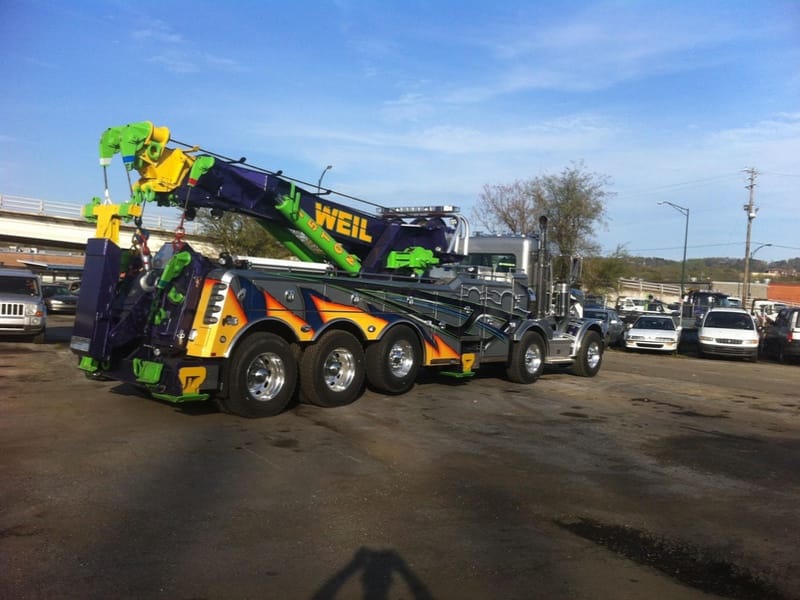
How Weil Wrecker Handles I-20 Semi Towing
At Weil Wrecker, we approach every I-20 semi towing job with a clear plan and steady focus. Rollovers require patience, coordination, and respect for the scene. We work methodically to recover vehicles and clear the roadway without adding further strain to the situation.
Our team stays ready for the challenges that come with highway incidents. From uprighting trailers to managing cargo concerns, we handle each step with purpose. I-20 semi towing is a responsibility we take seriously, and we show that through every call we answer.
FAQs
What is the most common cause of a semi truck rollover?
Speed going into a curve is one of the leading causes. When a driver enters too fast, the truck’s weight shifts outward and becomes harder to control.
How does cargo affect truck stability?
Cargo that is uneven or loosely secured can move during transit. That movement shifts the center of gravity and increases the chance of tipping.
Are empty trailers more likely to roll over?
Yes, they can be. Empty trailers are lighter and more vulnerable to strong winds, which can push them off balance.
Can driver fatigue really lead to serious accidents?
Fatigue slows reaction time and affects judgment. Even small delays in steering or braking can lead to loss of control.
What should a driver do if a trailer starts to tip?
The best response is to avoid sharp corrections. Gradual steering and slowing down can sometimes help regain balance.
How often should a truck be inspected to reduce risks?
Regular checks before and after trips are key. Paying attention to tires, brakes, and suspension helps catch issues early.