The Route of the Problem
Interstate corridors see a steady stream of commercial traffic, and most of it moves through without incident. But when a large truck or heavy load breaks down or needs recovery, the situation calls for a different level of response. I-459 heavy towing does not start at the scene. We start way ahead. Not with towing, we start with the information gathered the moment we take the call.
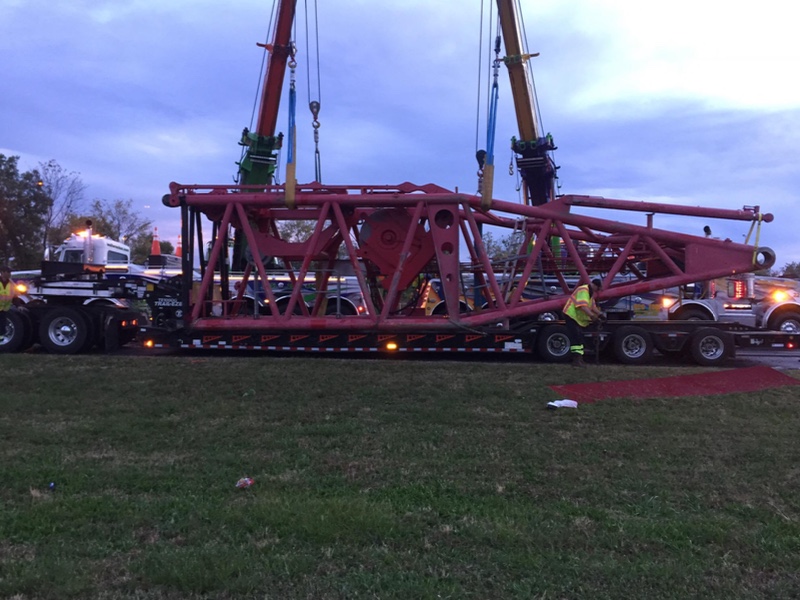
The loads that come through on this corridor range from disabled commercial rigs and overweight machinery to complex recoveries that require rigging, rotators, and coordinated equipment. Each one is different, but the planning process that drives our response stays consistent. Getting the details right early prevents the kind of delays and complications that turn a manageable job into a long one.
Reading the Load Before Making a Move
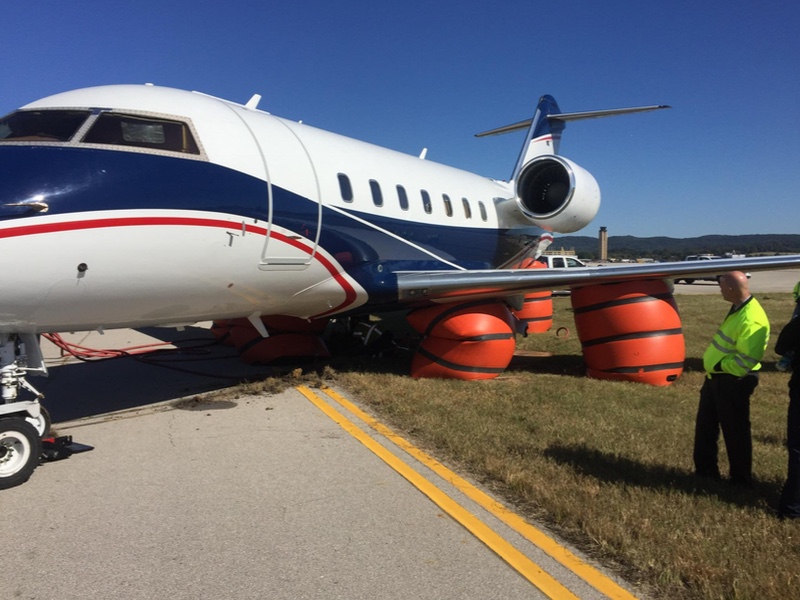
The first step in any I-459 heavy towing call is a complete read of the situation. We confirm overall height, width, and length from the actual unit, because those measurements determine what equipment we dispatch and what route we can legally use. A load spec or estimate gets us close, but the field measurement is the one we trust.
Weight distribution makes I-459 heavy towing more precise than a standard tow. Gross weight gives us a number to start with, but roads and bridges care about how that weight spreads across axle groups. When a unit sits off-center, or when suspension damage has shifted the load, axle numbers change. We calculate that before committing to a route or deciding on rigging.
Key Considerations Before the Move
Route Planning and Bridge Clearance
Every route gets built around the lowest clearance point along the path. We work below that number, not up to it, because road slope, approach geometry, and surface changes can all reduce effective clearance from what is posted. A height that clears in theory can fall short in practice when the details are not accounted for.
Staging and Ground Conditions
A heavy tow requires space to work, and we assess both the pickup location and the destination before we arrive. Surface type, shoulder width, access width, and overhead obstacles all factor into how we position equipment. Arriving unprepared to a tight or unstable site slows the operation and increases risk.
Permits and Legal Thresholds
A vehicle or industrial unit that exceeds legal limits for weight, height, width, or length requires a permit before it can be moved. For I-459 heavy towing, that means working with the relevant agencies, confirming the approved route, and understanding any time restrictions or escort requirements that apply to the load.
Before any move is approved, we confirm:
- True height to the highest point, including any cargo, attachments, or raised components
- Gross weight and axle group distribution, adjusted for damage or off-center loading
- Suspension and frame condition, including any factor that affects ride height or rolling
- Staging access and surface conditions at pickup and delivery
- All clearance and weight restrictions along the planned route
Weil Wrecker Service: Ready for Any I-459 Heavy Towing Call
Weil Wrecker Service has been a trusted name in towing and recovery since 1977, and I-459 heavy towing is among the most consistent work our team handles. From our original Birmingham operation to our family of companies that includes Pro-Tow, C&W Wrecker Service, B&W Wrecker Service, and Kemp’s Towing and Recovery, we have grown into the largest wrecker service in Alabama by doing this work the right way. Our team of over 130 professionals is trained from the ground up, with hands-on experience at every level of towing and recovery.
I-459 heavy towing on this corridor demands both equipment and expertise, and we bring both to every call. We serve as the exclusive contracted towing agent for nine municipalities, including Birmingham, and our facility operates as a training center for Wreckmaster and Hazwopper instruction. Honesty, safety, and up-to-date equipment define the standard we hold ourselves to. When the job requires support, give Weil Wrecker the call.
FAQ
How do towing companies determine what equipment to send for a heavy towing job?
Equipment selection depends on what is being moved, its weight and dimensions, and how it sits on the ground. A unit that can roll gets handled differently from one with a collapsed axle or damaged suspension. The condition of the load and the access at the scene both factor into the decision.
What is axle group weight and why does it matter for heavy towing?
Axle group weight refers to how total load weight distributes across specific sets of axles on the transport. Roads and bridges are rated for axle group loads, not the total weight alone. A load can be within gross weight limits and still exceed axle group limits depending on how it sits on the equipment.
How long does it take to secure a permit for an oversized or overweight load?
Timeline depends on the load type, the jurisdiction, and the route. Some permits process within hours. Others involving multiple agencies or complex routing can take a few days. Accurate measurements from the start help avoid revisions that add time to the process.
What should a driver do while waiting for a heavy towing service to arrive?
Stay out of active traffic lanes if possible, turn on hazard lights, and set out reflective triangles or flares if it is safe to do so. If there is a fuel leak, fire, or injuries involved, contact emergency services first. Keep bystanders away from the vehicle and the surrounding area.
Can a heavy towing company move a load that is partially damaged or leaning?
Yes, but the approach changes. A leaning or damaged load requires a more careful rigging plan to stabilize it before and during the move. The condition is one of the first things we ask about, because it affects what equipment we send and how we set up the recovery.
What is the difference between a rotator and a conventional wrecker?
A conventional wrecker uses a boom to lift and tow. A rotator has a rotating boom that can reach around obstacles and work from angles a conventional wrecker cannot. Rotators are used for complex recoveries where the load needs to be repositioned before it can be towed or transported.