
Cleared to Tow
A damaged vehicle blocking traffic creates a lot of pressure. Drivers want the lane open, officers need the scene controlled, and the tow operator has to work without adding confusion. And steer clear of secondary accidents. For Hoover towing calls involving law enforcement, the job is part traffic control, part paperwork, and part recovery work.
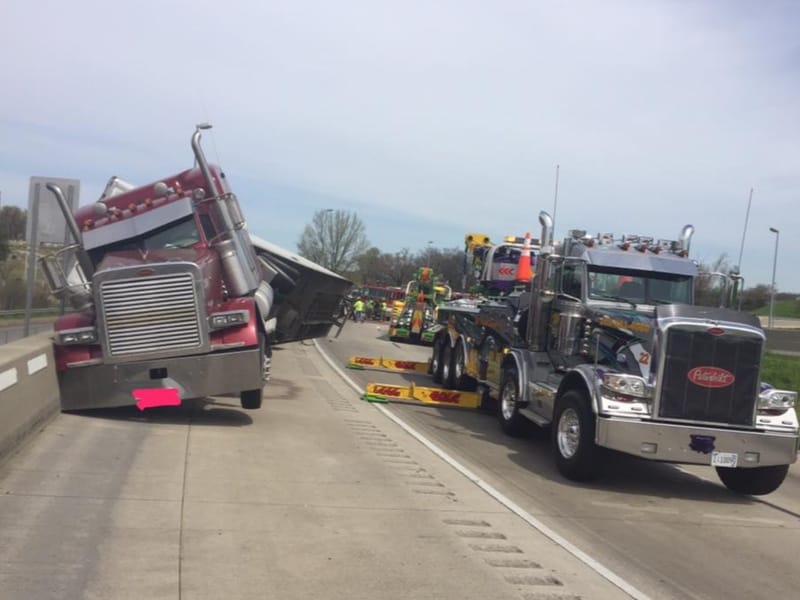
The Scene Comes First
We do not rush into a crash scene just because the truck is there. A vehicle may need to be photographed, checked by an officer, or cleared by investigators before it can move. Police decide when the scene is ready. Our job is to follow that direction, keep the work area organized, and remove the vehicle in a way that supports the officers managing traffic and reports.
Police Control the Scene, Tow Operators Handle the Move
Law enforcement handles the authority side of the call. Officers may decide where traffic needs to stop, which lanes can reopen first, and where damaged vehicles should be moved. On impounds, arrests, abandoned vehicles, and crash calls, they also provide the paperwork or direction that tells us what can happen next.
Tow operators bring the recovery knowledge to the same scene. For calls involving police, we look at damage, vehicle position, debris, leaks, and access before hooking up. A car with front-end damage may load one way. A truck with a broken axle may need a different approach. The goal is to clear the scene without creating another problem for officers, drivers, or nearby traffic.
What Happens During a Law Enforcement Tow
Many drivers only see the last few minutes, when the wrecker pulls away. The work starts earlier. We may wait for police to finish their report, speak with the driver, check registration, or decide where the vehicle needs to go. On crash scenes, debris cleanup may happen before or after loading, depending on traffic and officer direction.
On Hoover towing calls tied to law enforcement, we often confirm:
- Which agency requested the tow
- Whether the vehicle is a crash tow, impound, arrest tow, or abandoned vehicle
- Where the vehicle needs to be taken
- Whether the driver can remove personal items
- If police need photos or paperwork before loading
- If debris, fluids, or damaged parts are creating a hazard
Heavy Calls Bring More Coordination
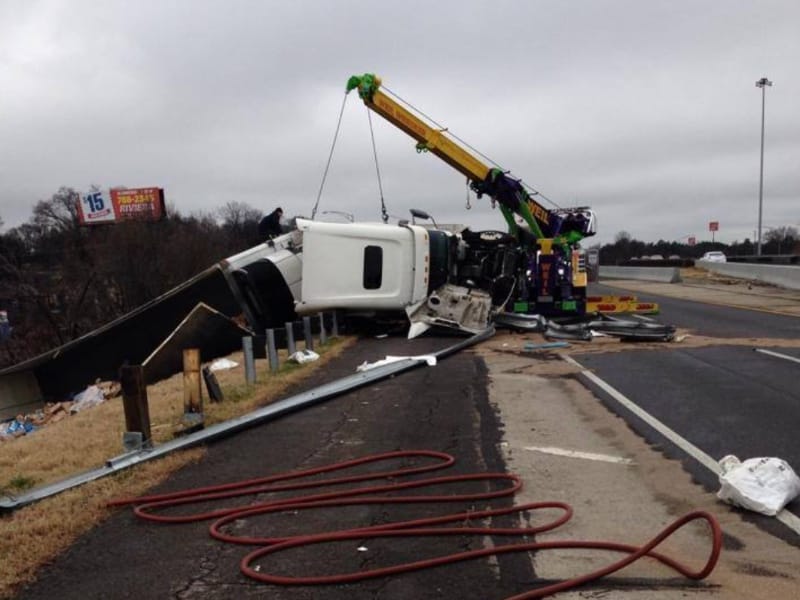
A passenger car tow may need one truck and one officer directing traffic. A bus, box truck, tractor-trailer, or overturned vehicle can bring a bigger response. Fire crews may deal with fluids or trapped access. Police may shut lanes down. A towing supervisor may need to coordinate recovery steps with officers before the first pull.
That is common in Hoover towing work involving major roads, commercial vehicles, or multi-vehicle crashes. Heavy wreckers, rotators, and recovery trucks need room to work. We have to think about traffic flow, boom position, damaged cargo, vehicle weight, and where the recovered unit will go after it leaves the scene. Law enforcement keeps the roadway controlled while we handle the lift, pull, load, or transport.
Weil Wrecker Brings Hoover Towing Support to Law Enforcement Calls
Weil Wrecker was founded by Steve and Sharon Weil in 1977 after earlier roots in a full-service station and a small wrecker operation. Since then, we have grown from a handful of employees into one of Alabama’s largest wrecker services, with a team trained from the ground up in light-duty towing, heavy-duty recovery, and roadside work. Our Hoover towing service carries that same shop-floor experience into police calls, crash scenes, impounds, and heavy recoveries.
Our Hoover towing team also works with municipal partners, law enforcement agencies, and fire-rescue training programs across Alabama. Our team uses modern wreckers, rollbacks, and recovery equipment for cars, commercial trucks, and heavy incidents that need more planning than a basic tow. For Hoover towing, the best calls happen when dispatch, officers, and operators stay on the same page from arrival to final drop-off. That keeps the road moving and gives the customer a clear next step after a hard moment.
FAQs
Can police call a tow truck without the owner’s permission?
Yes. Police can request a tow after a crash, arrest, abandoned vehicle report, blocked lane, or safety issue. The reason for the tow affects where the vehicle goes.
Why can’t my vehicle be moved right away after a crash?
An officer may need photos, statements, registration checks, or scene notes before the vehicle moves. Tow operators wait until police clear the vehicle for loading.
Where does my car go after a police-ordered tow?
It may go to an impound yard, storage lot, repair shop, or another approved destination. The officer or agency usually decides based on the situation.
Can I get my belongings before my car is towed?
Sometimes. The officer on scene decides if it is allowed and when it can happen. Safety, evidence, and traffic conditions can affect that decision.
Why do tow trucks sometimes wait at a crash scene?
They may be waiting for police, fire crews, EMS, or investigators to finish their work. A tow truck arriving first does not mean the vehicle can move first.
What paperwork do I need after a police tow?
You may need identification, proof of ownership, insurance information, and any release form required by the agency or storage yard. Calling ahead can save a wasted trip.