

A Cargo Spill Can Outlast the Crash
When freight leaves a trailer, recovering the truck is but one part of clearing the scene. Boxes, pallets, loose materials, or other cargo can remain scattered across traffic lanes and shoulders after the tractor-trailer itself has been dealt with. Our I-20 cargo services address that second part of the problem: figuring out what can be recovered, what needs to be removed, and how to get the roadway usable again.
It can be a real puzzle sometimes…
Cargo spills also vary enormously.
And no case is just like the other. Because s load that shifts but stays inside the trailer creates a different challenge from freight spread across the highway. Before cleanup starts, we need to understand what happened to the truck, trailer, and load. Here’s how we get it done.
How Freight Gets Out of Place
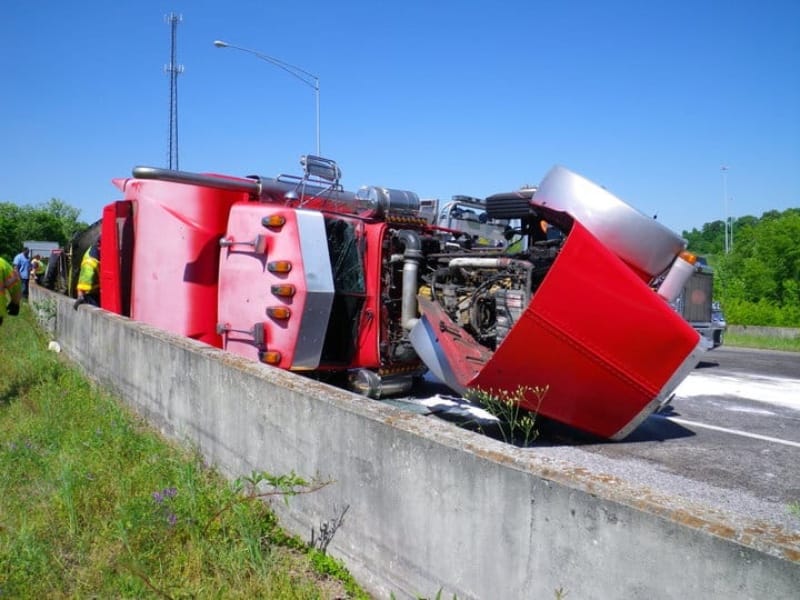
Cargo does not necessarily have to leave the trailer to cause trouble. Sudden braking or an accident can move freight from where it was originally secured. Trailer damage can allow cargo to escape altogether, while a rollover can leave a load resting in a completely different position.
Once a commercial vehicle is involved in an incident, cargo recovery along I-20 may therefore begin before anyone starts picking material up. The stability of the trailer and the condition and position of its contents can influence how the recovery proceeds.
There is also the question of what happened to the cargo itself. Some freight may remain usable. Other material can be damaged beyond continued transport.
The Truck Is Clear. The Road Might Not Be.
Moving the tractor-trailer does not automatically make the highway ready for traffic. I-20 freight recovery can continue after the primary vehicle recovery because everything left behind still has to be addressed.
Depending on the incident, that work can include:
- Collecting freight from travel lanes and shoulders
- Separating recoverable cargo from damaged material
- Removing broken pallets, packaging, and debris
- Determining whether freight can remain in its original trailer
- Preparing usable freight for continued transportation
- Removing material that cannot go back on the road
This is where cargo recovery becomes a job of its own rather than an extension of the tow.
What If the Trailer Cannot Continue?
Sometimes the cargo survives an incident better than the equipment carrying it. A damaged trailer may no longer be suitable for transportation even though much of its freight remains usable.
In those circumstances, load transfer services near I-20 may provide another way forward. Cargo can potentially be transferred into an appropriate replacement unit rather than remaining tied to a trailer that cannot continue.
Not every incident calls for a transfer. If the original trailer remains usable and the freight can be properly secured, keeping the load where it is may be the more practical solution.
Cleanup Is More Than Picking Up Freight
A cargo spill can leave a surprising amount behind. Packaging can break apart. Pallets can splinter. Freight can spread well beyond the immediate position of the trailer.
For commercial cargo services around I-20, that means looking beyond the obvious pieces of cargo. Material remaining in traffic lanes can present another hazard, and damaged freight has to go somewhere even when it cannot continue to its original destination.
The consequences can also extend beyond cleanup time. A commercial shipment has a destination and a schedule, so decisions about usable freight matter. Cargo recovery near I-20 is partly about clearing the scene and partly about determining what portion of the shipment can still move forward.
Getting the Load Moving Again
Once recoverable cargo has been identified, the next question is transportation. Depending on the condition of the trailer and freight, the load may be re-secured, transferred, or handled separately from material that needs removal.
That makes freight cleanup along I-20 a combination of recovery, organization, and practical decision-making. There is no single procedure that fits every overturned trailer or spilled load because the cargo itself changes what needs to happen.
For I-20 Cargo Services, Call Weil Wrecker
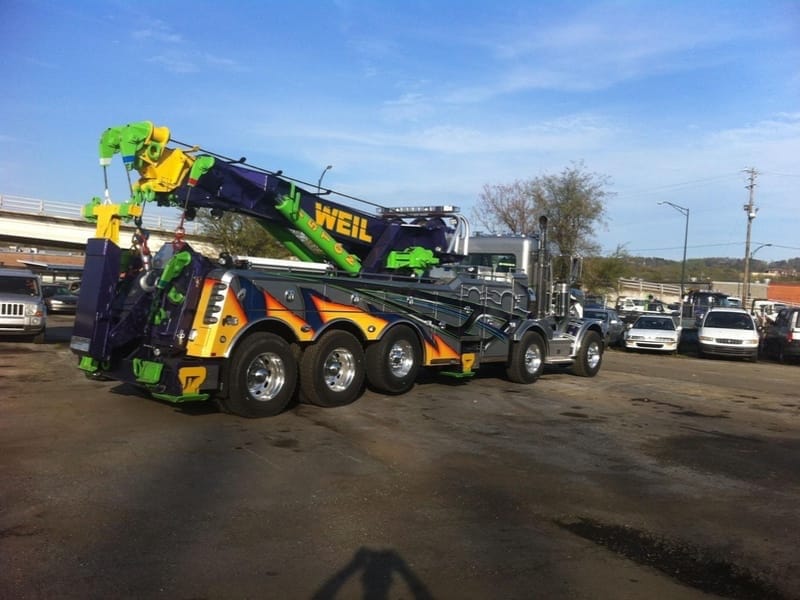
Weil Wrecker Service has been part of Alabama’s towing and recovery industry since Steve and Sharon Weil founded the company in 1977. What began as a small operation has grown into a team of more than 130 people and a family of towing companies serving communities across Alabama.
Our employees learn the business from light-duty towing through complex heavy-duty operations, while our facilities host training for WreckMaster, HAZWOPER, and Birmingham Fire and Rescue. We also serve as the exclusive contracted towing agent for nine municipalities, including Birmingham. That combination of training, modern equipment, and decades in the industry supports our I-20 cargo services when a commercial incident leaves more than a disabled truck behind.
FAQs
What happens when freight spills from a semi-trailer?
The truck and the cargo may need to be handled as separate parts of the recovery. Crews can collect spilled freight, remove debris, and determine what material may still be transported.
Does shifted cargo always have to be unloaded?
No. The next step depends on where the freight shifted, its condition, and whether it can be properly secured. Some loads may remain in the original trailer.
When is a load transfer needed after a truck accident?
A transfer may be necessary when usable freight cannot safely continue in the original trailer. This can happen when the trailer is damaged or the cargo needs to be moved before transportation can resume.
What happens to damaged cargo after a spill?
Damaged freight may need to be separated from material that can still continue toward its destination. Its final handling depends on the cargo, its condition, and instructions from the responsible parties.
Why can cargo cleanup take longer than towing the truck?
Freight can scatter across lanes, shoulders, and areas surrounding the crash. Crews may also have to collect packaging, broken pallets, straps, and other debris after the larger pieces are removed.
Can freight still be usable after a trailer rollover?
Sometimes. A rollover does not automatically mean every item in the trailer is unusable. The condition of the freight and its packaging helps determine what can potentially continue in transport.